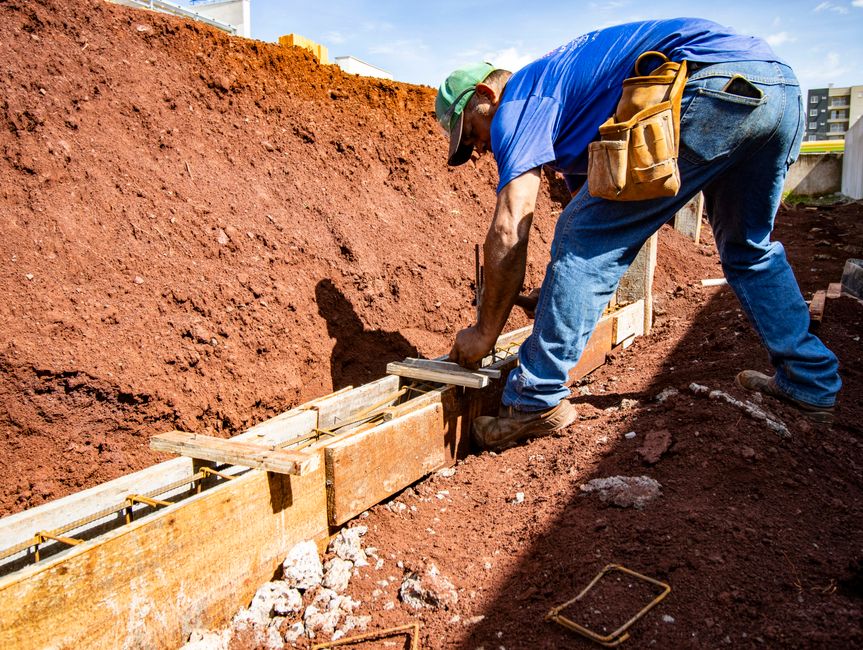
Wondering how often inspect foundation Minneapolis homes require is a common concern for property owners. The city's unique soil composition and seasonal weather patterns can significantly impact the structural integrity of residential foundations.
Regular foundation inspections help identify issues like settlement cracks, water damage, and shifting that could lead to costly repairs.
Homeowners in Minneapolis should be aware that the frequency of these inspections depends on factors such as the age of the home, recent weather events, and any noticeable changes in the structure. Understanding the right intervals for foundation checks can protect your investment and ensure long-term stability.
Professional contractors typically recommend a schedule tailored to local conditions and specific property needs, making it essential to stay informed about best practices for foundation maintenance in this region.
Quick Takeaways on Foundation Inspection in Minneapolis
- Minneapolis homes should have their foundations inspected at least every 3 to 5 years to monitor soil shifting and water damage risks.
- Seasonal changes and freeze-thaw cycles in Minneapolis, MN increase the likelihood of foundation cracks and settlement issues.
- Professional contractors typically recommend inspections after any significant weather events, such as heavy rains or floods, to catch early signs of structural damage.
- Regular inspection helps identify mold growth, water intrusion, and soil erosion that threaten the foundation’s integrity.
- Homeowners in Minneapolis should expect inspection costs to vary based on foundation type, age of home, and visible damage extent.
Recommended Frequency for Foundation Inspections in Minneapolis Homes
Homeowners in Minneapolis should consider scheduling a foundation inspection every 3 to 5 years to monitor potential issues related to the region's unique soil conditions and climate. The expansive clay soils common in Minneapolis can cause significant foundation movement due to moisture fluctuations, increasing the risk of cracks and settlement.
Regular inspections help identify early signs of damage before they escalate into costly repairs.
Professional contractors typically recommend more frequent inspections for older homes or properties exposed to severe weather events. Freeze-thaw cycles and heavy rainfall can exacerbate soil shifting beneath the foundation, making vigilant monitoring critical.
Additionally, homes with visible signs of water pooling near the foundation should be inspected more often to prevent water damage and mold growth.
Factors Influencing Inspection Frequency
- Age of the home: Older structures may require inspections every 3 years.
- Soil type: Expansive clay soils increase inspection frequency.
- Local climate: Harsh winters and wet summers demand closer monitoring.
- Previous foundation issues: History of repairs may necessitate annual checks.
By understanding these factors, homeowners in Minneapolis can better plan their foundation maintenance schedule. Utilizing a vetted network of professional contractors through a lead aggregation service ensures access to experts familiar with the specific challenges posed by Minneapolis’s soil and climate conditions.
Signs and Conditions That Warrant Immediate Foundation Inspection in Minneapolis
Homeowners in Minneapolis should be vigilant for foundation damage signs that indicate an urgent need for a professional inspection. Visible cracks in walls, floors, or the foundation itself often signal underlying issues caused by soil movement or water infiltration.
These cracks can vary from hairline fractures to wider gaps, with the latter typically suggesting more severe settlement or shifting.
Water damage around the foundation is another critical warning. Persistent moisture accumulation due to poor drainage or heavy rainfall can lead to soil shifting, compromising the foundation's stability. In Minneapolis, where freeze-thaw cycles are frequent, trapped water can exacerbate foundation damage by expanding and contracting beneath the surface.
Additional Signs and Environmental Factors Requiring Immediate Inspection
- Uneven or sloping floors inside the home, which may indicate foundation settling.
- Doors and windows that stick or fail to close properly, often caused by frame distortion linked to foundation movement.
- Gaps between walls and ceilings or floors, suggesting structural shifts.
- Soil erosion or pooling water near the foundation, increasing the risk of water infiltration and foundation damage.
- Recent severe weather events such as heavy rains or flooding that can accelerate soil instability beneath the foundation.
Professional contractors in Minneapolis typically recommend that homeowners address these signs promptly to avoid costly repairs. Early detection through timely inspection helps mitigate further water damage, structural settlement, and potential mold growth caused by moisture intrusion.
How Seasonal Changes in Minneapolis Affect Foundation Inspection Scheduling
Minneapolis experiences distinct seasonal weather patterns that significantly impact foundation maintenance and the optimal timing for inspections. The region’s harsh freeze-thaw cycles during winter and spring are particularly influential. When water in the soil freezes, it expands, exerting pressure on foundations.
As temperatures rise and the ice melts, soil contracts, causing movement that can lead to foundation damage like cracks or shifting.
Professional contractors typically recommend scheduling foundation inspections shortly after winter, once the ground has thawed but before heavy spring rains begin. This timing helps identify any damage caused by freeze-thaw stress and prevents further water damage during the wet season.
Additionally, inspections in late summer or early fall can assess how well a foundation has withstood the seasonal stresses and prepare homeowners for the coming winter.
Seasonal Factors Influencing Foundation Inspection Timing
- Winter Freeze-Thaw Cycles: Cause soil expansion and contraction, increasing risk of foundation damage.
- Spring Thaw: Ideal time for inspection to detect cracks or shifting from winter stress.
- Summer Heat and Dryness: Can lead to soil shrinkage around foundations, affecting stability.
- Fall Moisture Levels: Monitoring before winter helps prevent water infiltration and mold growth.
Homeowners in Minneapolis should consider how these seasonal weather dynamics affect their properties. Aligning foundation inspections with these periods enhances early detection of issues caused by soil shifting and freeze-thaw impacts. This approach supports proactive foundation maintenance, ultimately helping to avoid costly repairs and preserve structural integrity over time.
Frequently Asked Questions
How can seasonal weather impact the timing of foundation inspections?
Seasonal weather in Minneapolis, including freeze-thaw cycles and heavy precipitation, can accelerate soil shifting and water damage. Professional contractors typically recommend scheduling inspections after significant weather events to detect early signs of foundation damage before costly repairs become necessary.
What are the risks of neglecting regular foundation inspections?
Neglecting foundation inspections can lead to unchecked water infiltration, mold growth, and structural issues. For homeowners in Minneapolis, this increases the likelihood of expensive foundation maintenance and repair costs due to progressive soil shifting and weather-related damage.
Are older homes more prone to foundation problems?
Older homes generally have an increasing risk of foundation damage due to prolonged exposure to seasonal weather, water damage, and natural settling. Homeowners should consider more frequent inspections to monitor foundation maintenance needs and prevent long-term issues.
How do professional contractors determine inspection frequency?
Professional contractors typically recommend inspection frequency based on factors like home age, soil conditions, and recent weather events. They advise more frequent checks if the property is in an area prone to soil shifting or has a history of water infiltration.
Can foundation inspections help prevent mold growth?
Foundation inspections can identify early signs of water damage and moisture intrusion that contribute to mold growth. Timely detection through regular assessments helps homeowners address issues before they escalate, protecting indoor air quality and structural integrity.
Regular foundation inspections in Minneapolis are essential to prevent water damage, soil shifting, and costly repairs. Homeowners should remain attentive to early signs of foundation damage and maintain a consistent inspection schedule, especially given the city's challenging freeze-thaw cycles and variable seasonal weather.
For accurate assessments and tailored solutions, contacting local foundation specialists in Minneapolis, MN is advisable. Get matched with vetted Foundation Repair in Minneapolis, MN via our -matching form to connect with professional contractors equipped to safeguard your home’s foundation.